Tatar Ethnic Group
Introduction
The Tatar ethnic group in China is a small yet distinct community with a rich cultural heritage. Recognized as one of the 56 officially recognized ethnic groups in China, the Tatar have played a unique role in the country's diverse cultural tapestry. While their numbers are relatively small, the Tatar community is known for preserving its traditions and customs, which are often distinct from those of other ethnic groups in China. The Tatar people primarily reside in Xinjiang Uyghur autonomous region and have maintained a vibrant cultural identity through their language, cuisine, clothing, and festivals, which continue to be celebrated in their communities.
History
Origins
The origins of the Tatar ethnic group are deeply rooted in the history of the Central Asian steppes. Historically, the Tatar were part of the larger Turkic-speaking groups that roamed these vast regions. Over time, they established themselves as an important cultural and political entity.
Historical Development
The Tatar community in China traces its origins to migrations that occurred over several centuries. It is believed that the Tatar began settling in Xinjiang during the Qing Dynasty (1644-1911). Historically, they have been known as skilled traders and merchants, often establishing trade routes and engaging in commerce along the Silk Road. The Tatar played a crucial role in the exchange of goods and ideas between the East and the West, contributing to the cultural and economic development of the regions they inhabited. Despite facing challenges over the centuries, the Tatar have retained their cultural identity, preserving their language, customs, and traditions.
Culture
Language
The Tatar language is a crucial component of the Tatar ethnic identity. It belongs to the Turkic languages and is written using the Cyrillic script. In China, the language is actively used within the Tatar community and is taught in schools to ensure its preservation. Efforts are made to promote the use of Tatar in various aspects of daily life, including media and cultural activities. The language serves as a medium for preserving oral traditions, folklore, and literature, which are integral to Tatar heritage.
Traditional Clothing
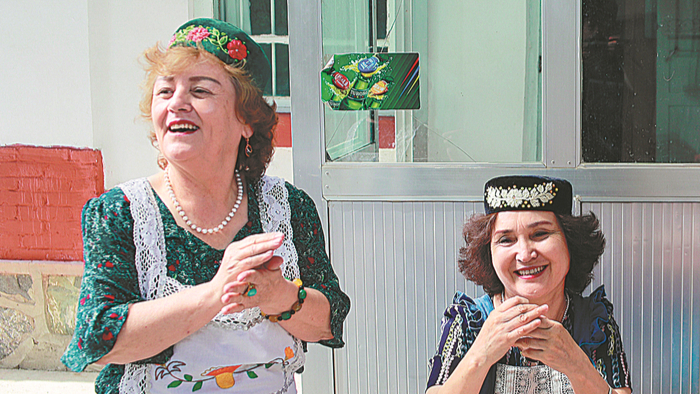
Tatar traditional clothing is characterized by its vibrant colors and intricate designs. Traditional attire often includes long, flowing garments such as robes and tunics, adorned with embroidery and other decorative elements. Headwear plays an important role in Tatar clothing, with men typically wearing turbans or skullcaps, while women adorn themselves with scarves or ornate headdresses. These garments are typically worn during festivals, ceremonies, and other cultural events and are a source of pride for the Tatar community.
Cuisine
Tatar cuisine is a reflection of the rich cultural history of the Tatar people, emphasizing a variety of flavors and ingredients. Among the most popular Tatar dishes is chak-chak, a sweet treat made from fried dough and honey, often served during special occasions and festivals. Tatar cuisine also features a range of meat dishes, pastries, and soups, showcasing influences from Central Asian and Russian culinary traditions. Cooking and dining are important aspects of Tatar social life, and traditional recipes are passed down through generations, helping to maintain the community's culinary heritage.
Festivals
Festivals play a central role in the cultural life of the Tatar ethnic group. These celebrations provide an opportunity for the community to come together and celebrate their shared heritage. One of the most significant festivals is Sabantuy, a traditional Tatar festival marking the end of the spring sowing season. The festival features a variety of activities, including music, dance, sports, and traditional games.
Demographics
Population Distribution
The Tatar ethnic group in China is primarily concentrated in the Xinjiang Uyghur autonomous region, where they have lived for generations. Within Xinjiang, the Tatars are mostly found in cities such as Urumqi and Yining. Due to their historical role as traders and merchants, the Tatars have also settled in other parts of China, albeit in smaller numbers. The community remains closely knit, with members often maintaining strong ties with their cultural roots and traditions.
Major Regions
While Xinjiang remains the primary region for the Tatar population in China, smaller communities can be found in other provinces and cities, reflecting the historical migration patterns of the Tatars. These regions have become centers for Tatar cultural activities, providing a space for the community to practice their customs and traditions. The maintenance of community centers and cultural organizations plays a vital role in the preservation of Tatar culture across these regions.
Modern Developments
In recent years, the Tatar ethnic group in China has made concerted efforts to promote and revitalize their cultural heritage. This includes initiatives to preserve the Tatar language, support traditional crafts, and organize cultural events. The Tatar community actively participates in national cultural festivals, showcasing their unique traditions and contributions to the broader cultural landscape of China. Additionally, there is an increasing emphasis on documenting and archiving Tatar cultural practices, ensuring that future generations have access to this valuable cultural heritage.
Preservation and Promotion of Culture
The preservation of Tatar culture in China is facilitated through various programs and initiatives aimed at safeguarding intangible cultural heritage. This includes the inclusion of Tatar cultural elements in educational curricula, the organization of cultural festivals, and the establishment of cultural centers. Such efforts are supported by both government and non-governmental organizations, recognizing the importance of cultural diversity and the need to preserve the unique traditions of China's ethnic groups. The Tatar community continues to play an active role in these endeavors, ensuring that their cultural heritage remains vibrant and accessible to future generations.








